

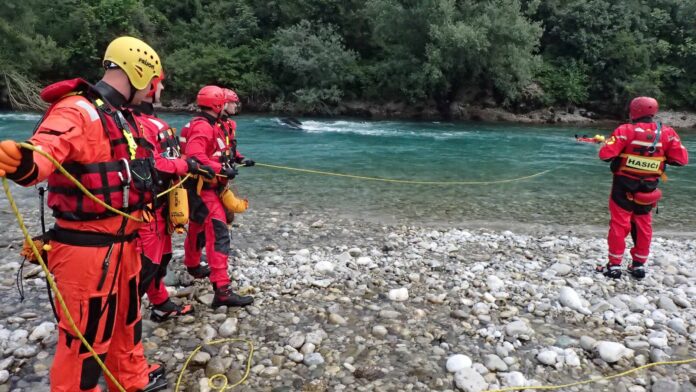
The Czech Water Search and Rescue Module (WASAR CZ) is a specialized flood rescue capability developed within the Fire Rescue Service of the Czech Republic (HZS ČR). The module is designed to conduct search and rescue operations in flooded areas, particularly in situations where conventional ground access is impossible and rescue must be carried out using boats and specialized water rescue equipment.
The module was originally developed as part of the European WaterSave project, a joint initiative involving the Czech Republic, the Netherlands, and the United Kingdom aimed at strengthening European civil protection capabilities in flood response. The project supported the development of standardized procedures, training programs, and operational concepts for water search and rescue teams operating under the European Civil Protection Mechanism (UCPM).
Since its creation, the Czech WASAR team has become an important part of the Czech Republic’s international emergency response capacity and can be deployed both nationally and internationally to assist countries affected by major flooding events.
Team History and Development
Floods represent one of the most frequent and destructive natural hazards in Europe. Events such as the Central European floods of 1997 and 2002 highlighted the urgent need for specialized flood rescue capabilities capable of operating in complex and rapidly changing environments.
In response to this need, the Czech Republic contributed to the development of a European flood rescue capability through the WaterSave project, which aimed to create a deployable flood rescue module capable of assisting affected countries within the European Union and beyond.
The Czech module was designed to be compatible with EU civil protection standards and to operate in coordination with international disaster response structures such as:
- Local Emergency Management Authorities (LEMA)
- OSOCC (On-Site Operations Coordination Centre)
- EU Civil Protection coordination mechanisms
The development of the module included the creation of Standard Operating Procedures (SOP), joint training with international partners, and the establishment of common operational methodologies.
The module is today fully integrated into the international assistance system of the Czech Republic, enabling rapid deployment to flood-affected areas within Europe.
Team Structure and Organization
The Czech WASAR module consists of approximately 35 personnel, combining operational rescuers with command, logistics, and support staff.
The structure is designed to ensure efficient command, operational flexibility, and full self-sufficiency during international deployments.
Typical team composition includes:
Command Staff
- Team Leader (Module Commander)
- Deputy Team Leader – Operations
- Deputy Team Leader – Safety Officer
- Deputy Team Leader – Plans / Logistics
- Liaison Officers
Operational Units
- Boat Crew Commanders
- Boat Operators
- Boat Crew Members
Support Functions
- Medical Manager
- Logistics Officer
- Logistics Technicians
- Communications and IT Specialist
This structure allows the team to maintain clear command and control, ensure safety management, and coordinate effectively with other responding units and authorities in the disaster area.
Each boat crew typically consists of four trained rescuers, enabling safe navigation, rescue operations, and victim handling in flooded environments.
Capabilities and Operational Tasks
The primary mission of the WASAR module is to conduct water-based search and rescue operations during flooding incidents.
Core operational capabilities include:
1. Search Operations
- Searching for missing persons in flooded areas
- Reconnaissance of flooded settlements
- Primary and secondary search operations
2. Rescue Operations
- Evacuation of civilians from flooded buildings
- Rescue of persons trapped by rising water
- Water-based casualty extraction
3. Humanitarian Support
- Transport of emergency supplies
- Delivery of food, water, and medicine
- Support to isolated communities
4. Support to Local Authorities
- Situation assessment
- Flood reconnaissance
- Operational planning support
The module is also capable of conducting night operations and extended search missions, depending on operational requirements.
In addition to direct rescue activities, the team supports the creation of a common operational picture through reporting, mapping, and communication with coordination structures.
Equipment and Technical Resources
The WASAR module is equipped with a wide range of specialized flood rescue equipment, allowing operations in both urban and rural flood environments.
Key equipment includes:
Rescue Boats
The module operates several types of boats depending on the operational situation, including:
- Zodiac Futura Mark II inflatable rescue boats
- Zodiac Futura Mark III
- Zodiac Pro 650
- Marine 20H aluminum rescue boat
These boats are powered by engines ranging from 30 to 130 horsepower, enabling effective operation in various water conditions including fast-flowing water and flooded urban environments.
Additional Equipment
The module also uses:
- Inflatable rescue rafts
- Water rescue ropes and throw bags
- Inflatable rescue pathways
- Dry suits and personal protective equipment
- Communication systems (VHF radios, mobile and satellite phones)
- GPS and navigation equipment
All rescuers are equipped with specialized personal protective equipment, including dry suits, helmets, and flotation devices designed specifically for flood rescue operations.
Logistics and Deployment Capability
The WASAR module is designed for rapid deployment and operational self-sufficiency.
Key logistical capabilities include:
- Deployment readiness within 12 hours after activation
- Operational radius of approximately 1500 km by road
- Transport using specialized rescue vehicles and trucks with equipment containers
- Self-sufficiency for up to 10 days, including water purification and logistical supplies.
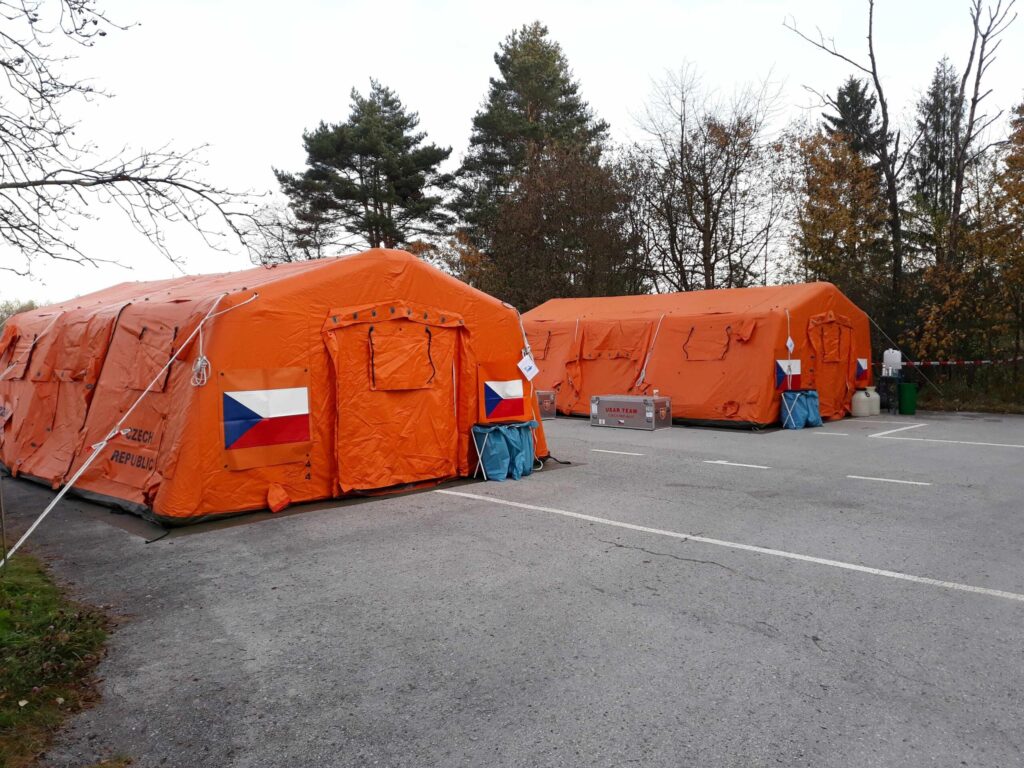
The module typically deploys with 11 vehicles, including command vehicles, personnel transport vehicles, and trucks carrying rescue boats and equipment.
During international missions, the team establishes a Base of Operations (BoO) from which rescue operations are coordinated.
Operational Strategies
Operations conducted by the WASAR module follow standardized procedures based on international disaster response methodology.
The operational cycle typically includes:
- Activation and Mobilization
- Deployment to the affected area
- Establishment of Base of Operations
- Coordination with local authorities
- Execution of search and rescue tasks
- Operational reporting and coordination
- Demobilization and mission evaluation
During operations, the module maintains close coordination with:
- Local emergency authorities
- International rescue teams
- EU Civil Protection coordination structures
A strong emphasis is placed on dynamic risk assessment, ensuring the safety of both rescuers and victims in rapidly changing flood conditions.
Training and Preparedness
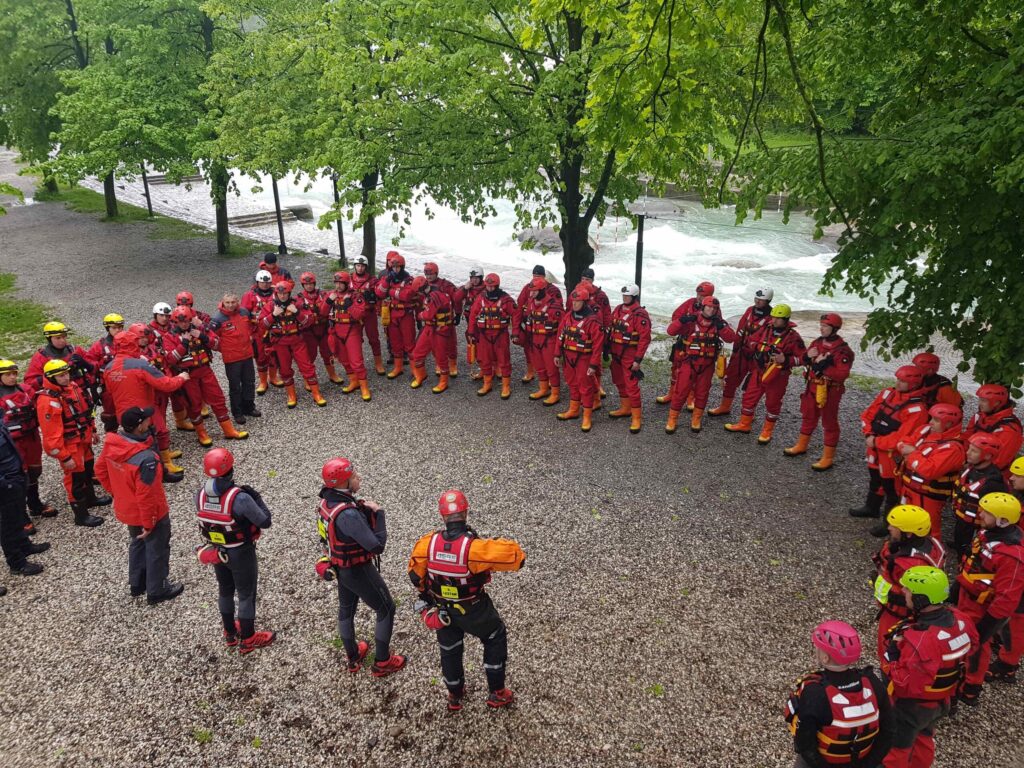
All members of the WASAR module undergo specialized training focused on water rescue operations.
The basic training program includes approximately 40 hours of theoretical and practical training, covering:
- Water rescue techniques
- Boat handling in different water conditions
- Swift water rescue
- Night operations
- Flood risk assessment
Practical training is conducted in both static water (lakes) and running or swift water environments, allowing rescuers to gain experience in realistic conditions.
Regular refresher training ensures that team members maintain a high level of readiness and operational capability.
Case Study and Role in CROSSFLOOD Exercise
The CROSSFLOOD exercise represents an important opportunity to test the interoperability of international flood rescue teams and improve coordination during cross-border disasters.
Within this exercise scenario, the Czech WASAR module contributes by:
- Deploying a specialized flood rescue capability
- Demonstrating operational coordination under the EU Civil Protection framework
- Testing communication procedures with local authorities and international teams
- Participating in joint planning and operational decision-making
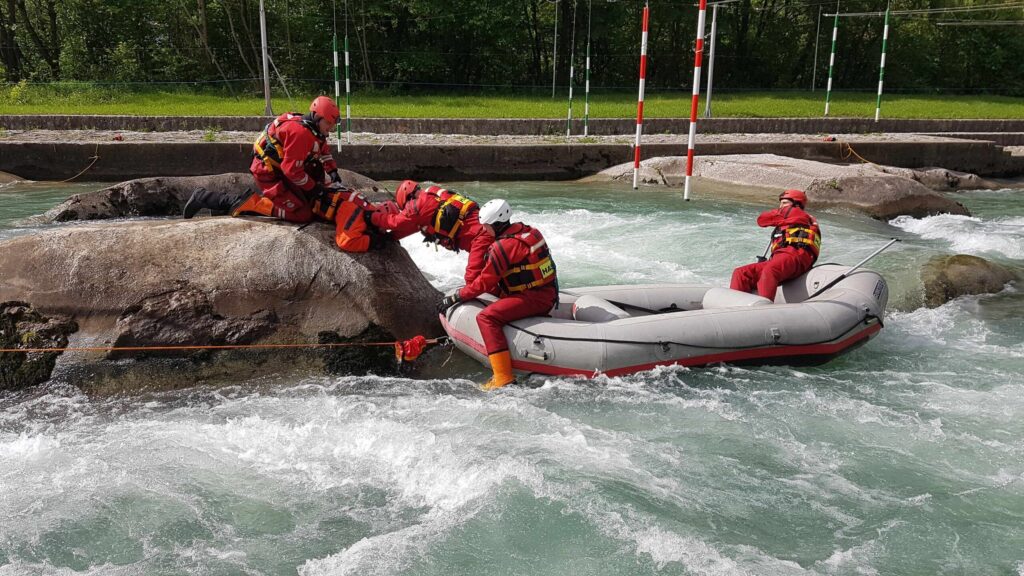
The exercise also allows participating teams to exchange best practices, identify operational gaps, and strengthen international cooperation.
For the Czech team, the CROSSFLOOD exercise provides valuable experience in operating within a multinational disaster response environment, reinforcing the importance of standardized procedures and effective coordination.
The Czech WASAR module represents a highly specialized and rapidly deployable flood rescue capability designed to support both national and international emergency response operations.
With its trained personnel, specialized equipment, and operational experience, the module is capable of performing complex rescue missions in flooded environments while maintaining high standards of safety, coordination, and professionalism.