

By NCT Consultants
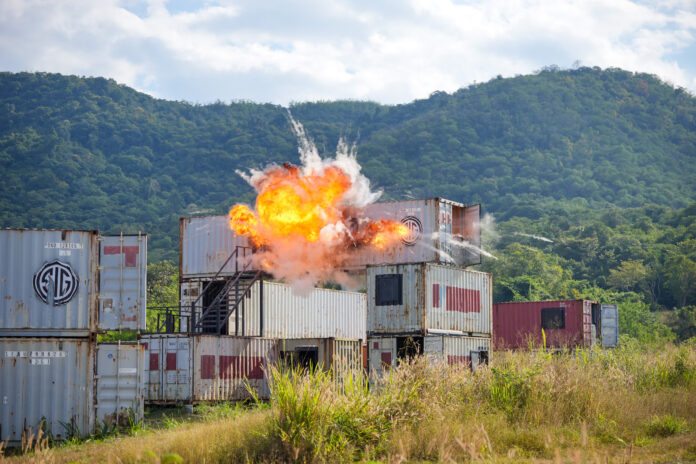
From December 14-20, 2025, the beaches and training grounds of Hua Hin, Thailand, became the proving ground for 35 specialized teams representing the cutting edge of EOD, CBRNE, and Special Forces capabilities across the Asia-Pacific region. The NCT PRO Challenge Asia 2025 delivered on its promise of “rough on the edges” training, prioritizing hands-on experience with cutting-edge technology over classroom instruction.
A Realistic Threat Scenario
The exercise built upon a compelling fictional backdrop: the emergence of the “Siam Red Liberation Army” (SRLA), a communist extremist group trained in clandestine attacks, IED manufacturing, and CBRN warfare. This scenario provided the framework for six Joint Sub Task Forces ( Red, Blue, Yellow, Orange, Green, and White ) operating under Combined Joint Task Force “Red Dragon” to counter emerging threats across multiple domains.
Technology Integration: From Familiarization to Field Application
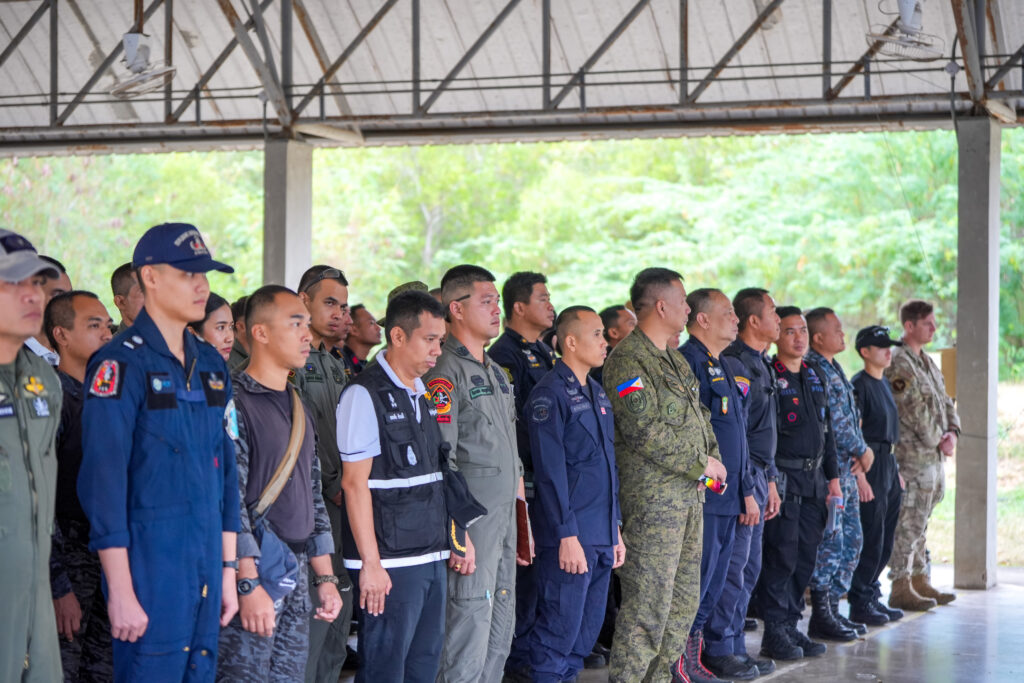
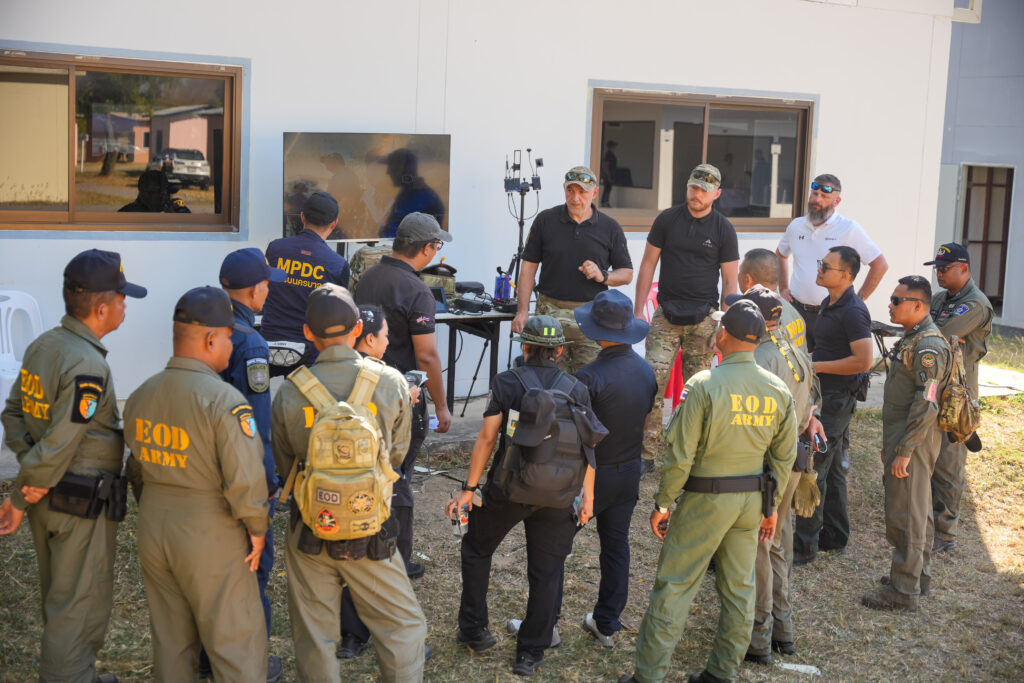
Monday’s technology training day set the foundation for success. Unlike previous iterations, teams rotated through 16 technology partner stations at the International Law Enforcement Academy using the proven EDIP model (Explain, Demonstrate, Impersonate, Practice). Partners, including AIRSENSE, POLIMASTER, SCANNA, LOGOS, and ORQA, provided hands-on familiarization with detection equipment, X-ray systems, and specialized tools that teams would employ throughout the week. The Red Team’s After-Action Review highlighted the value of this approach, noting that technology providers were “knowledgeable, approachable, and open to detailed technical discussions relevant to real-world operations.”
Five Scenarios, Escalating Complexity
From Tuesday through Thursday, teams tackled five progressively complex operational orders (OPORDs), each designed to test different skill sets:
“VIP Escort” challenged teams to safely transport a high-value individual from Naresuan Base to the Sheraton Hotel while managing potential IED and chemical threats. Yellow Team praised this scenario for its operational realism, incorporating IEDs with mustard gas, nerve agents, and saboteur role players.
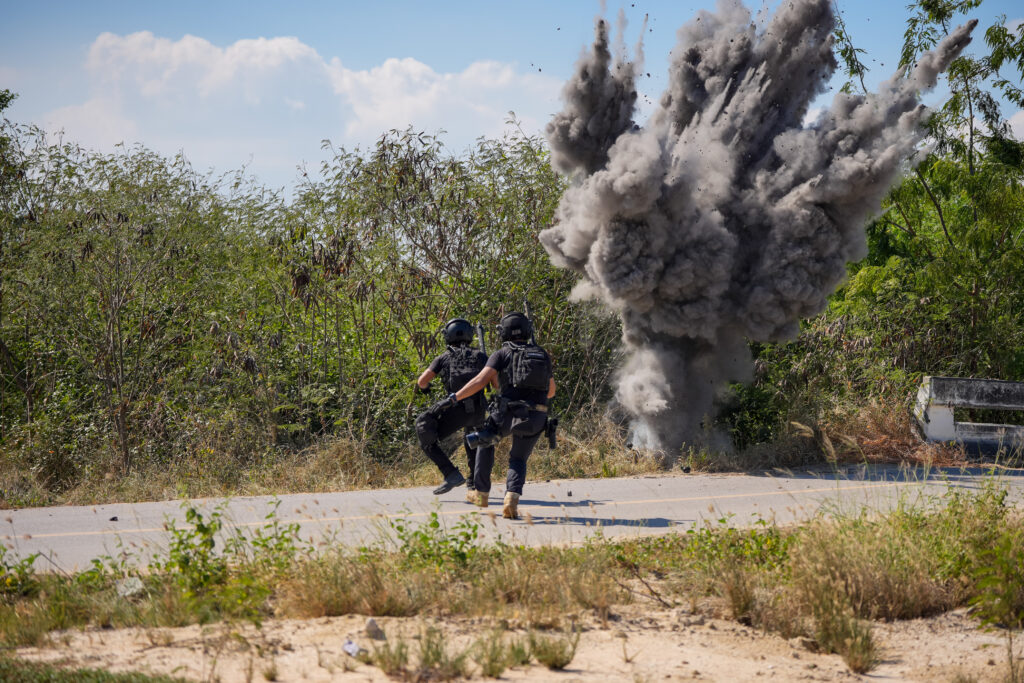
“A Bridge Too Far” presented an IED with chemical payload abandoned on a moped at a bridge site. Teams had to clear the threat and reopen the critical infrastructure while managing civilian presence in the area – a challenge that tested both technical skills and tactical patience.
“Wuhan Lab” investigated a suspected SRLA laboratory potentially containing both HME (Home-Made Explosives) and Chemical Warfare Agents. Located within the International Law Enforcement Academy, this scenario required careful evidence collection and threat assessment. Orange Team particularly appreciated the completeness of this scenario, noting it was “full of elements” that enhanced immersion.
“Suspicious Package” tested teams’ ability to investigate and neutralize potential threats in a sensitive government location. The scenario incorporated diverse threats, including grenades, drone bombs, anthrax simulants, and IEDs.
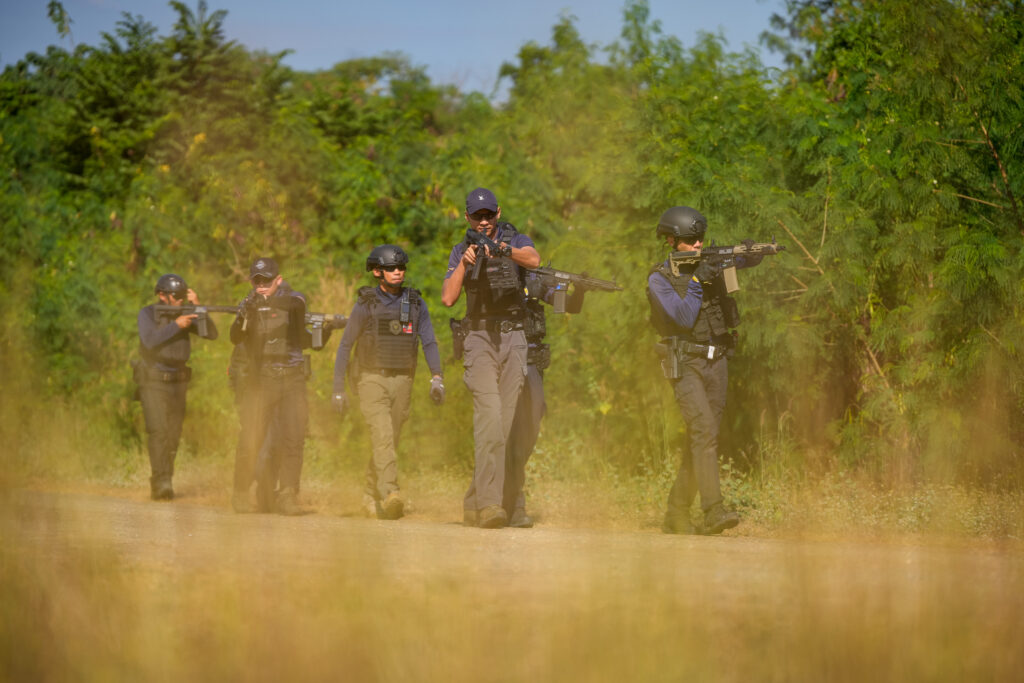
“Red Hammer” sent teams into the jungle at Jangyodsuk Tactical Training Base (TTB) to locate and neutralize a terrorist hideout suspected of developing a dirty bomb. This scenario integrated drone threats, radiological sources, and hostile forces, providing the most kinetic training experience.
Command and Control: Lessons in Coordination
The Tactical Operations Center at Naresuan Base, commanded by Ilja Bonsen and equipped with state-of-the-art monitoring systems, served as the exercise nerve center. The TOC’s fusion of drone imagery, camera feeds, and real-time communications enabled scenario development and dynamic inserts that challenged teams’ adaptability.
Despite some complexities, such as the language barrier, the White Team rated communications with TOC as “robust” and praised the “professional, responsive, and realistic” coordination, demonstrating that when systems worked as designed, they effectively supported mission execution.
Instructor Excellence and Professional Growth
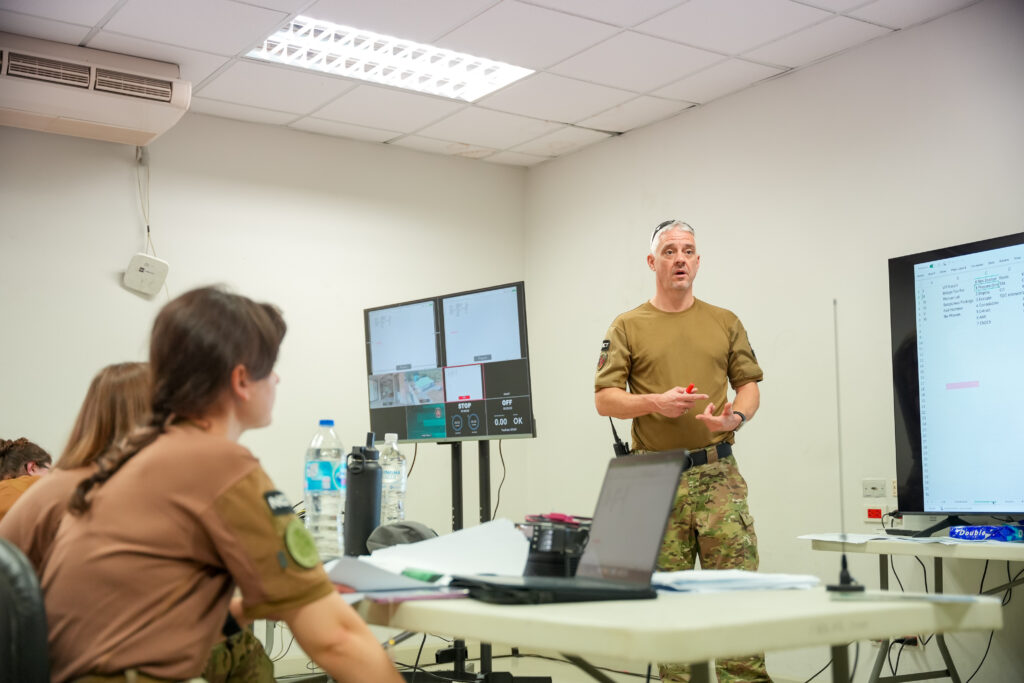
Led by George McKerrow, the instructor cadre received unanimous praise across all team AARs. Red Team noted instructors were “highly experienced, professional, and supportive,” providing “timely and constructive feedback” that “directly contributed to learning outcomes.” The Orange Team emphasized that instructors were “consistently described as good, clear, and professional” with “explanations that were easy to understand.”
Instructors themselves provided valuable feedback, recommending greater emphasis on CBRN scenarios to balance the EOD-heavy training, more advance preparation time for equipment familiarization, and additional interpreters to facilitate smoother multinational coordination.
The PRO Challenge: Validating Capabilities
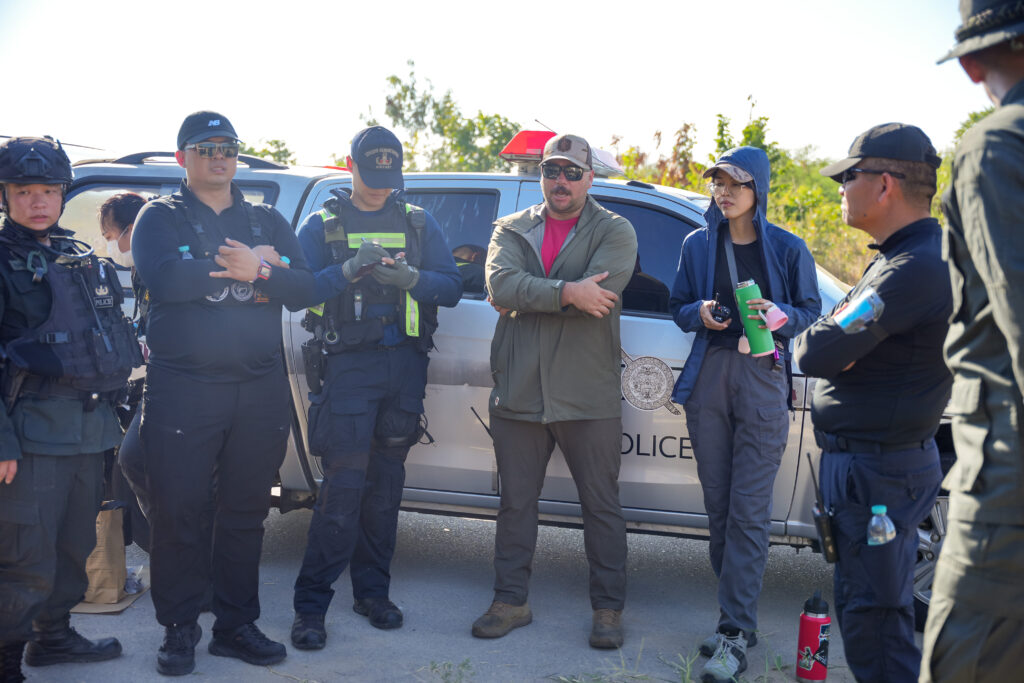
Friday’s PRO Challenge tested individual and team proficiencies across six stations: written examination, X-ray interpretation, hook and line techniques, radiation detection, chemical detection, and tactical combat casualty care. Yellow Team identified their radiation detection scenario as the highlight, praising its “realistic and well-executed plan” with “user-friendly equipment.”
Key Takeaways and Recommendations
The commanders’ conference crystallized several critical insights. Teams universally valued the multinational cooperation, with Red Team awarding a perfect 10/10 rating and emphasizing that “multinational teams working together under realistic operational pressure” provided exceptional training value. The Blue Team’s forensic personnel noted the exercise provided “comprehensive overview of inter-agency operations” that would prove “valuable for future preparedness.”

Looking Forward
NCT PRO Challenge Asia 2025 successfully demonstrated that realistic, scenario-driven training with cutting-edge technology creates exceptional learning environments. All teams recommended the event to senior leadership, validating the concept’s strategic value. As one Orange Team member summarized: the exercise provided “extensive experience, new tools and methods, and strong international relationships.”
The formula works: challenging scenarios, professional instruction, multinational cooperation, and technology integration. With refinements to communication systems, language support, and pre-event familiarization, future iterations will build on this solid foundation to further strengthen regional security cooperation and operational readiness.