


By: Stephanie McClain
Integrating Technology in Military Training: Striking the Right Balance
Technological superiority is no longer optional in modern military operations; it is a prerequisite. From autonomous systems and tactical drones to digital command-and-control tools such as the Android Tactical Assault Kit (ATAK), emerging defense technologies continue to reshape how militaries sense, decide, and act on the battlefield. Yet the successful integration of these capabilities into military formations requires far more than procurement or fielding timelines. It demands a deliberate, synchronized approach to training that balances innovation with the enduring fundamentals of soldiering.
Commanders, trainers, and capability developers face tough questions. When should new technologies be added to training? Should Soldiers first learn in controlled environments or under field stress? How can adoption speed up without weakening basic skills and discipline? These answers directly affect readiness, lethality, adaptability, and coalition teamwork.
Converting Mass into Speed: Technology, Acquisition, and Training in Parallel
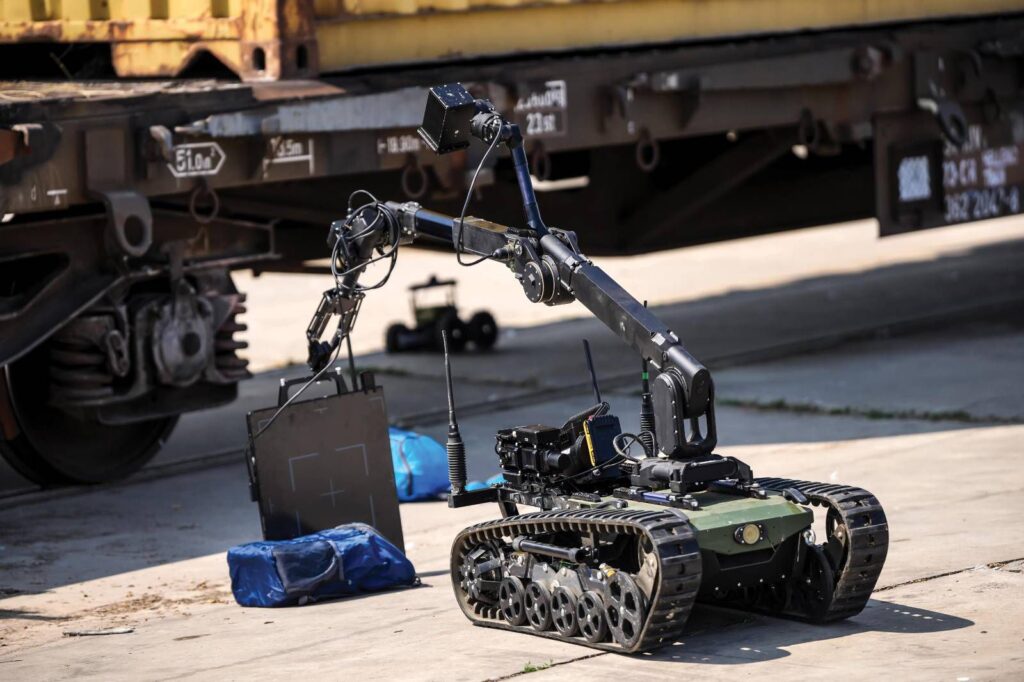
Since the Continental Army’s first musket acquisitions, military procurement policy has continuously evolved in response to changes in warfare. In the decades following World War II, guided munitions and nuclear deterrence reshaped acquisition priorities, while reforms in the late twentieth century, such as the Packard Commission, the Defense Reorganization Act, and WSARA, formalized acquisition as a lifecycle enterprise integrating research, logistics, sustainment, and oversight.
Today, speed matters most. On 30 April 2025, the U.S. Army announced a realignment. This change retires old systems, speeds up unmanned and autonomous tools, and streamlines leadership. By removing excess hardware and cutting bureaucracy, the goal is to achieve faster response times. The aim is to move from hours to minutes in delivering effects and turn mass into speed.
This change puts pressure on training. Advanced tools cannot be added as last-minute add-ons to units. Soldiers need early, repeated, and realistic training so these tools are natural under stress and fully integrated into tactics. Technology is useless if Soldiers lack the skill or confidence to use it in combat.
Integrating Technology with the Warfighter, Not in Isolation
One of the most persistent pitfalls in defense innovation is developing systems in isolation from the Soldiers expected to use them. Capabilities engineered in controlled lab environments, such as those without exposure to austere terrain, degraded networks, or operational friction, are at risk of failure when they are needed most. Excessive complexity, fragile hardware, or poor interoperability with legacy systems can all undermine adoption and operational utility.
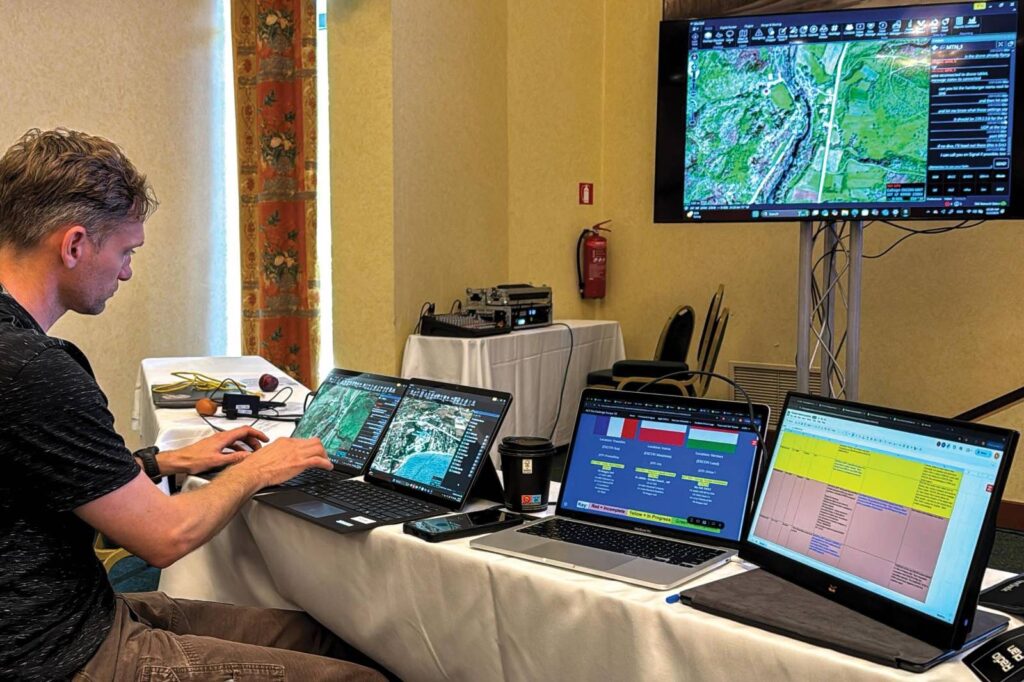
Modern capability development increasingly emphasizes Soldier-centered design, early interoperability considerations, and iterative feedback loops. As a strategic partner, Booz Allen supported U.S. Army Europe and Africa (USAREUR-AF) through initiatives such as Combined Joint Task Force Spartacus in Alexandroupolis, Greece. During a civil and military exercise, a live ATAK demonstration for Maven Smart Systems (MSS) leveraged multiple technology pathways to accelerate integration and refine digital interoperability. The objective was clear: reduce the time from threat detection to battlefield effect.
The demonstration yielded practical insights into data sharing, cross-system compatibility, and user interface design, many of which were driven directly by Soldier feedback during execution. These lessons now inform broader coalition technology adoption and mission planning. They underscore a central principle: operators must be involved from concept through deployment. Asking “Is this what the warfighter needs?” must be routine, not retrospective.
Integrating Technology to Meet Mission Demands: Practicality Over Novelty
Effective technology integration in military training is ultimately a question of practicality: whether a capability meaningfully supports mission demands within the constraints Soldiers actually face. New technology must be evaluated not on novelty or theoretical advantage, but on its ability to operate reliably within time, cognitive, logistical, and environmental limits. Systems that add friction, like additional steps, excessive configuration, fragile connectivity, or unclear outputs, will quickly become liabilities rather than force multipliers.
Operational units do not have the luxury of tailoring missions around technology; technology must conform to the mission. This reality places a premium on modularity, interoperability, and ease of integration with existing tactics, techniques, and procedures (TTPs). Capabilities that align with current workflows rather than requiring wholesale behavioral change are more likely to be adopted, trusted, and retained under stress. For example, integrating new sensing or decision-support tools into familiar platforms such as ATAK allows Soldiers to absorb enhanced functionality without disrupting established command-and-control processes.
Mission demands vary across echelons and environments. A system that works in a fixed command post may not suit dismounted operations with limited power, bandwidth, and attention. Training must expose technologies to all operational conditions early. Testing must determine not just if a tool works, but if it works when it matters. This includes degraded communications, contested electromagnetic environments, and high-tempo decision cycles where clarity and speed are more important than analytical depth.
Practical integration also requires acknowledging tradeoffs. Not every advanced capability fits every mission phase. Training should help Soldiers and leaders know when to use technology and when to switch to manual methods. This builds resilience, not dependence. The key principle remains: technology should enhance human judgment, not replace it. Tools that provide clear, timely insights help leaders make better decisions; tools that hide uncertainty or overload users can slow action when it matters most.
Finally, integrating technology to meet mission demands depends on continuous feedback between operators, trainers, and developers. Early fielding during training events allows developers to observe real-world use, while Soldiers gain a voice in shaping systems that directly affect their survivability and effectiveness. This iterative process ensures that emerging technologies mature in parallel with operational concepts, producing capabilities that are not only advanced but usable, trusted, and mission-ready.
Training for Familiarity: Collapsing the Learning Curve
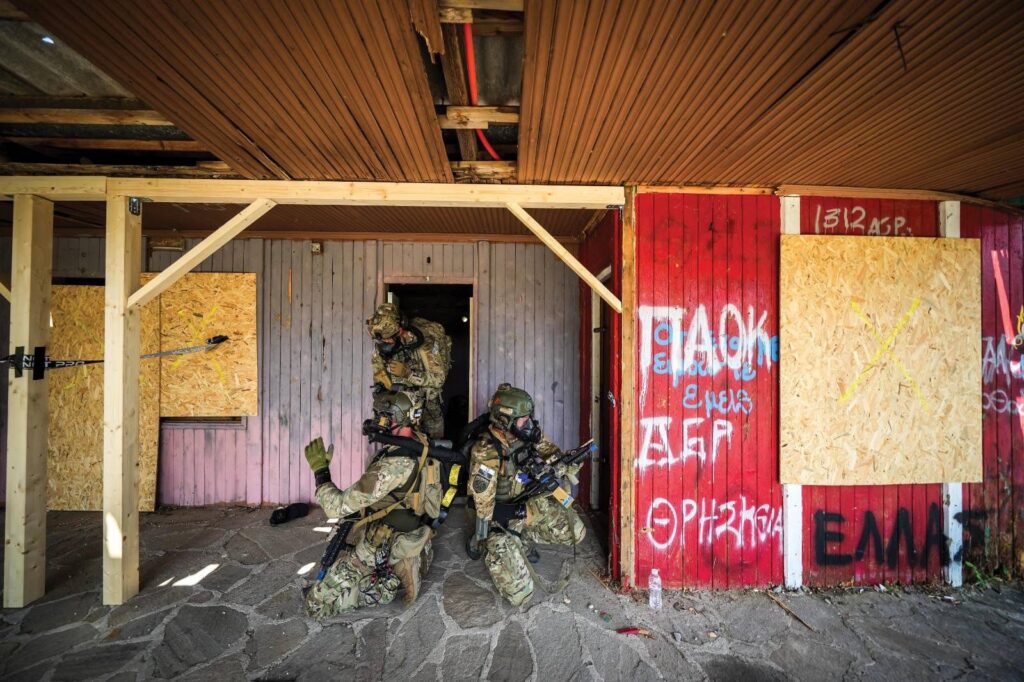
Hands-on training remains the most effective means of technology adoption, but its impact is magnified when new systems align with tools Soldiers already understand. Platforms like ATAK, which leverage commercial design paradigms such as Android interfaces and touch-based workflows, reduce cognitive friction and accelerate proficiency. Familiarity enables instinctive use, freeing mental bandwidth for tactical judgment rather than technical troubleshooting.
This effect was evident during training scenarios associated with Defender 2025, where familiar digital tools integrated seamlessly into fire team maneuvers and mission command processes. Soldiers were able to incorporate digital inputs into decision-making without sacrificing tempo or situational awareness. As technology continues to evolve rapidly, training pipelines must adapt in parallel, ensuring Soldiers master new tools without compromising foundational warrior skills.
Garrison and Field Training: A Complementary Model
Advanced technology must enhance, not replace, core soldiering competencies. Units cannot afford to trade fieldcraft, leadership development, and disciplined decision-making for software fluency alone. The most effective integration strategy is a deliberate, phased training model that leverages both garrison and field environments, each serving a distinct and necessary role in building operational competence.
Garrison-based training provides the foundation. It offers a controlled setting where Soldiers can learn system functionality, understand interfaces, and build baseline proficiency without the cognitive overload of tactical stress. In this environment, instructors and developers can observe how users interact with new tools, identify usability issues early, and correct misconceptions before they become habits. Garrison training also enables structured troubleshooting, system configuration, and integration with existing networks, allowing technical friction to be addressed methodically rather than under time pressure. For emerging technologies, this phase is essential for building confidence and trust in both the system and the training process.
However, proficiency gained in garrison does not equate to combat readiness. Field training is where technology is truly validated. Once Soldiers move into austere environments, systems are exposed to the realities that most often determine success or failure: degraded communications, limited power, harsh terrain, weather effects, adversary interference, and the competing demands of tactical leadership. In these conditions, even well-designed technology may behave differently, revealing limitations that cannot be identified in a classroom or lab.
Field exercises force Soldiers to integrate technology into decision-making under stress, testing whether tools accelerate action or create friction at critical moments. This phase is where commanders and leaders learn not only how to use technology, but when to rely on it orwhen to operate without it. These judgment calls are essential to avoiding overreliance and ensuring that technology enhances, rather than constrains, human decision-making.
Events such as the NCT Pro Challenge offer a particularly valuable environment for this blended approach. By combining multinational participation with realistic operational scenarios, NCT allows U.S. forces to test emerging technologies alongside partners, exposing interoperability challenges and doctrinal mismatches early. These settings also provide a forum for rapid iteration: systems can be adjusted between iterations, feedback can be incorporated in near real time, and best practices can be shared across units and nations.
Expanding U.S. participation in venues like NCT supports more than technical validation. It builds habitual relationships, reinforces coalition trust, and ensures that advanced technologies evolve in ways that are compatible with allied operations. When garrison-based preparation is deliberately linked to rigorous field validation, technology integration becomes both disciplined and realistic, producing capabilities that are not only innovative but also resilient, interoperable, and mission-ready.
Early Integration as a Strategic Imperative
To ensure readiness and mitigate risk, leaders must prioritize early and equitable integration of emerging technology into training for all MOSs. Proactive action now will enhance adaptability and unit effectiveness across the force, reducing the dangers associated with last-minute adaptation during deployment or crises.
According to Captain Desmond A. Edwards, CBRN training, which is essential for mission-critical specialties such as Force Health Protection and medical units, has become optional under updated Army regulations, highlighting a challenge for these highly technical and urgent roles that are already often left out of initial technology trials. When new digital tools, sensors, or decision-support systems are introduced late or without tailored training, these units may struggle to integrate them into established workflows, limiting their contribution to the broader mission.
Early integration ensures that these specialties are not merely downstream recipients of technology but active participants in shaping how capabilities are employed. Exposure during training allows niche MOSs to validate whether tools meet their operational needs, identify mission-specific gaps, and develop tactics that align with supported maneuver forces. This is especially critical in domains such as CBRN and Force Health Protection, where timely detection, data interpretation, and communication can have strategic consequences beyond the immediate battlefield.
Moreover, early exposure builds institutional familiarity that persists even when hardware changes. Soldiers who understand the logic, intent, and limitations of advanced systems are better prepared to adapt when operating on legacy platforms or degraded networks. This adaptability strengthens resilience across the force, ensuring that technology enhances rather than fragmenting mission execution.
The CJTF Spartacus ATAK-to-MSS demonstration provided a blueprint for inclusive early integration across coalition environments, proving that structured testing, Soldier input across specialties, and partner collaboration can deliver operationally relevant outcomes. Expanding these opportunities during multinational exercises such as NCT Pro Challenge represents the next phase of integration: embedding advanced technology across all relevant MOSs within routine training cycles, rather than confining innovation to a narrow subset of users.
What Comes Next
The next challenge is scale. Building on lessons learned, Booz Allen stands ready to support the integration of advanced technologies across training, operational, and multinational contexts. This includes expanding cross-platform interoperability with industry partners, optimizing Soldier digital workflows, and enhancing data-driven decision support at the tactical edge.
At the same time, recurring multinational exercises, particularly those supported by Combatant Commands, should evolve into consistent technology integration touchpoints. These venues allow warfighters and developers to co-create solutions in real time, with readiness and interoperability as shared objectives. Integrating technology into military training is not a one-time decision; it is a continuous responsibility. The true test is sustaining momentum that is advancing fast enough to outpace evolving threats while preserving the human skills that technology can never replace.