

By Janek Sõnum
Introduction
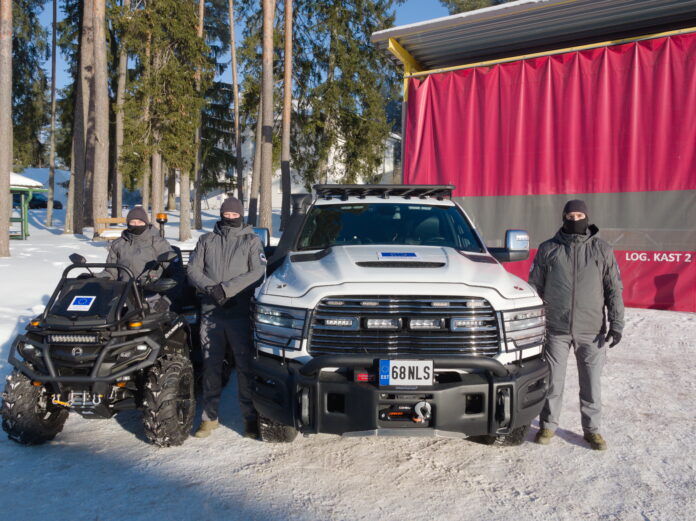
The Estonian Explosive Ordnance Disposal module (EST-EOD), operating under the Estonian Rescue Team (EDRT), provides a specialized capability within the European Union Civil Protection Mechanism (UCPM), focused on enabling safe operations in environments affected by explosive hazards.
Built on extensive national experience and professional expertise, the module is designed to support civil protection operations in complex environments where explosive hazards may pose a risk to responders and affected communities. While the module continues to evolve in its integration with international civil protection assets, its core strength lies in a solid operational foundation.
Team Structure and Background
EST-EOD is composed primarily of experienced EOD specialists from the Estonian Rescue Board and the Estonian Defence Forces. The module builds upon long-standing national capabilities in explosive ordnance disposal, integrating them into a framework aligned with international civil protection requirements.
Rather than forming a separate institutional structure, the module operates as a functional capability within the EDRT system. This allows it to leverage existing legal frameworks, operational procedures, and professional standards while gradually adapting to the specific requirements of international deployments.
The strength of the team lies in its personnel: practitioners with real operational experience, accustomed to working in demanding and unpredictable environments. This provides a reliable foundation for further development within the UCPM context.
Capabilities
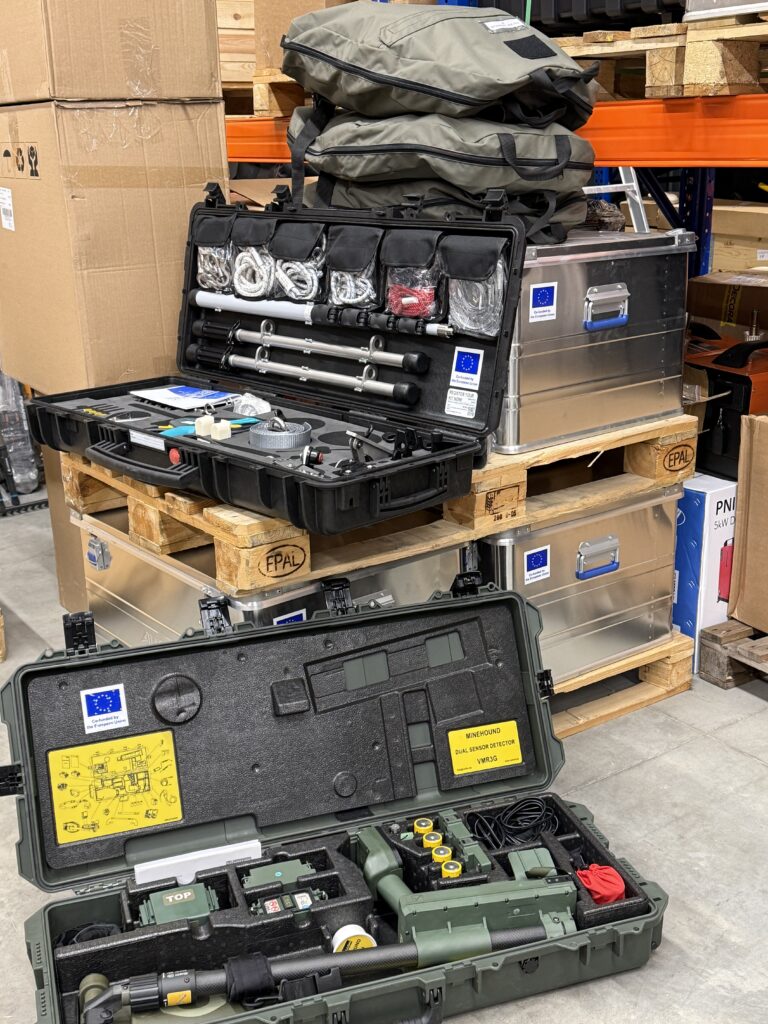
EST-EOD provides a comprehensive EOD response capability tailored to civil protection operations. Its focus is on ensuring safe access, risk reduction, and supporting other response modules operating in potentially hazardous environments.
Key capabilities include:
- Detection and identification of explosive hazards in complex operational areas
- Risk assessment and implementation of safe working procedures
- Render-safe actions using established and controlled methods
- Support to civil protection operations by enabling safe movement and access
- Integration of unmanned aerial systems (UAS) for reconnaissance and situational awareness
The use of drone capability enhances operational effectiveness by allowing remote assessment of areas, improving situational awareness, and reducing unnecessary exposure of personnel to potential hazards.
In practice, this means creating conditions where other civil protection teams can operate safely in environments where explosive hazards would otherwise limit or prevent access.
Due to operational security considerations, technical specifications and detailed equipment descriptions are not publicly disclosed. However, the module operates in accordance with recognized professional standards and best practices.
Operational Approach
The EST-EOD operational approach is based on a structured and risk-informed methodology. Safety is achieved through multiple layers, combining human competence, procedural discipline, and technical support.
The module follows a risk-based approach, where decisions are guided by continuous assessment of the operational environment. This includes evaluating hazards, defining safe working distances, and selecting appropriate methods for intervention.
A key element of the approach is its adaptability. EST-EOD is designed to operate in support of broader civil protection missions, integrating into existing command and control structures rather than functioning as an isolated unit.
Coordination is ensured through alignment with UCPM operational principles, including interoperability, standardized procedures, and clear communication with other deployed modules. The ability to work within a multinational framework is recognized as essential and remains a key focus in the module’s development.
The guiding principle is simple: reduce uncertainty, control risk, and make it possible for others to operate safely.
Experience
The EST-EOD module is built on a strong base of national and international experience. Team members have participated in a variety of operational contexts, ranging from domestic EOD tasks to international missions and training environments.
This experience has shaped the module’s understanding of operational realities, including the importance of flexibility, communication, and cooperation across different agencies and cultures.
Rather than focusing on individual operations, the module takes a cumulative approach to learning—using past experience to continuously improve procedures, training, and readiness for future deployments.
Role within the UCPM
Within the UCPM framework, EST-EOD contributes to a specialized capability that complements broader civil protection operations. Its role is to support safe access and reduce risks related to explosive hazards in environments where other modules are deployed.
The module is designed to operate as an enabling asset—working alongside teams such as urban search and rescue, flood response, or medical units. This requires not only technical capability but also a clear understanding of coordination mechanisms, communication structures, and shared operational objectives.
A key development priority is improving interoperability—both in terms of procedures and practical cooperation with other modules in real field conditions.
CROSSFLOOD: Building Experience through Integration
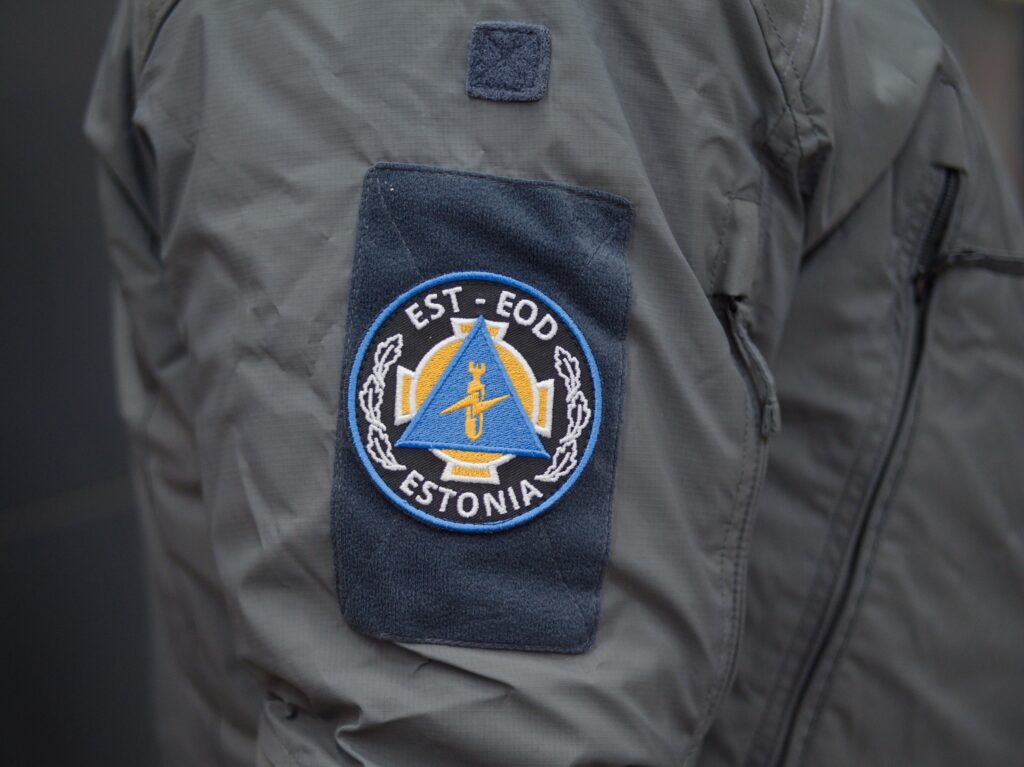
Participation in the CROSSFLOOD exercise represents an important step in the development of EST-EOD. The exercise provides a realistic environment to test and refine the module’s ability to operate within a broader civil protection framework.
For EST-EOD, CROSSFLOOD allows the module to move from theoretical interoperability to practical, field-based cooperation. It is not only an opportunity to demonstrate capability, but also to better understand how this capability actually works in a real multi-module setup.
This includes understanding how EOD support fits into complex operational scenarios and how to coordinate effectively with diverse teams. It is also an opportunity to train integration before it is required in real emergency deployments.
The exercise highlights a key aspect of the module’s current stage of development: while the core capability is in place, further experience is needed in joint operations and UCPM-specific procedures.
This development-oriented perspective is seen as a strength. Exercises such as CROSSFLOOD provide a controlled environment to test assumptions, identify gaps, and build confidence—so that lessons are learned before facing real-life emergencies.
Looking Ahead
The continued development of EST-EOD is focused on strengthening its role within the UCPM and enhancing its ability to operate in multinational environments. This includes refining procedures, expanding training opportunities, and deepening cooperation with other civil protection modules.
The objective is clear – to ensure that EST-EOD can be deployed as a reliable and fully integrated capability within the UCPM, ready to support complex operations where safety, coordination, and precision are critical.
By combining operational experience with a commitment to continuous improvement, EST-EOD is steadily evolving into a capable and integrated component of the European civil protection system.