

By CROSSFLOOD BFC Team
As preparations intensify for the Union Civil Protection Mechanism (UCPM) CROSSFLOOD Full Scale Exercise in Romania in September–October 2026, each participating team takes the spotlight to present their unit ahead of deployment. This new articles series offers readers an exclusive preview of the expertise, equipment, and operational capabilities that will come together during the exercise. More team profiles will be published on the NCT CBNW website over the next months.
Neighbors helping Neighbors
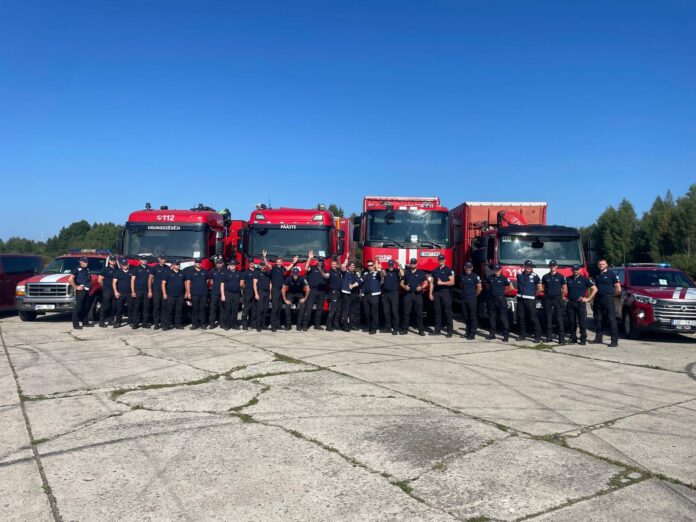
In the world of disaster response, the most important rule is that no country should have to stand alone. When a natural disaster strikes, the damage can quickly become too large for one nation to handle and this is why BaltFloodCombat (hereinafter BFC) was created. BFC is a high-capacity pumping team formed by three close neighbors: Estonia, Latvia, and Lithuania Fire, Rescue and Civil Protection Services. It is a unique team because it is the first of its kind in the European Civil Protection Pool to be managed jointly by three different countries. Its main goal is to manage massive floods that go beyond what a single country can deal with on its own. By working together, the module engage its equipment and skills of their roster to deploy flooding crisis in Europe.
Learning from Storm Gudrun
The story of BFC started with a real-life crisis. In 2005, the Baltic region was hit by a massive storm called Gudrun. This storm caused record-breaking flooding across the coastal areas of Estonia, Latvia, and Lithuania. This event was a wake-up call for the region. It showed everyone that local rescue teams needed much bigger, stronger, and faster equipment to move large amounts of water. After the storm, the three countries decided that they can develop capacity which can offer assistance also internationally.
BFC was officially started on January 1, 2009, made possible by a joint project supported by the European Union. Between 2011 and 2012, the team grew through a follow-up project to build a powerful pumping module that could work within the European Union Civil Protection Mechanism (UCPM). On June 7, 2010, BFC reached a major milestone by being registered in the EU’s communication system (CECIS). This meant the team was officially ready to be called for international missions anywhere in Europe.
Partnership
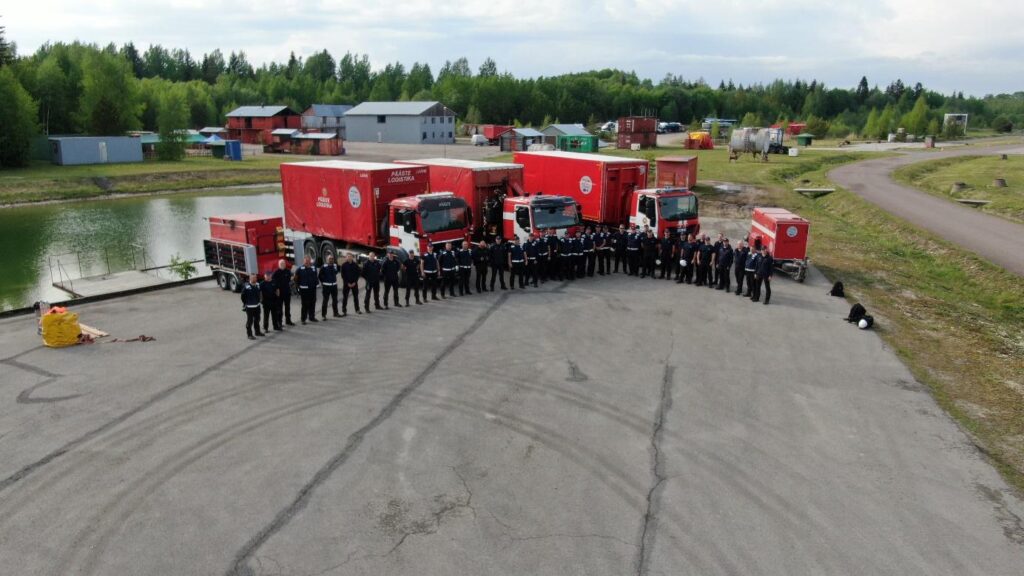
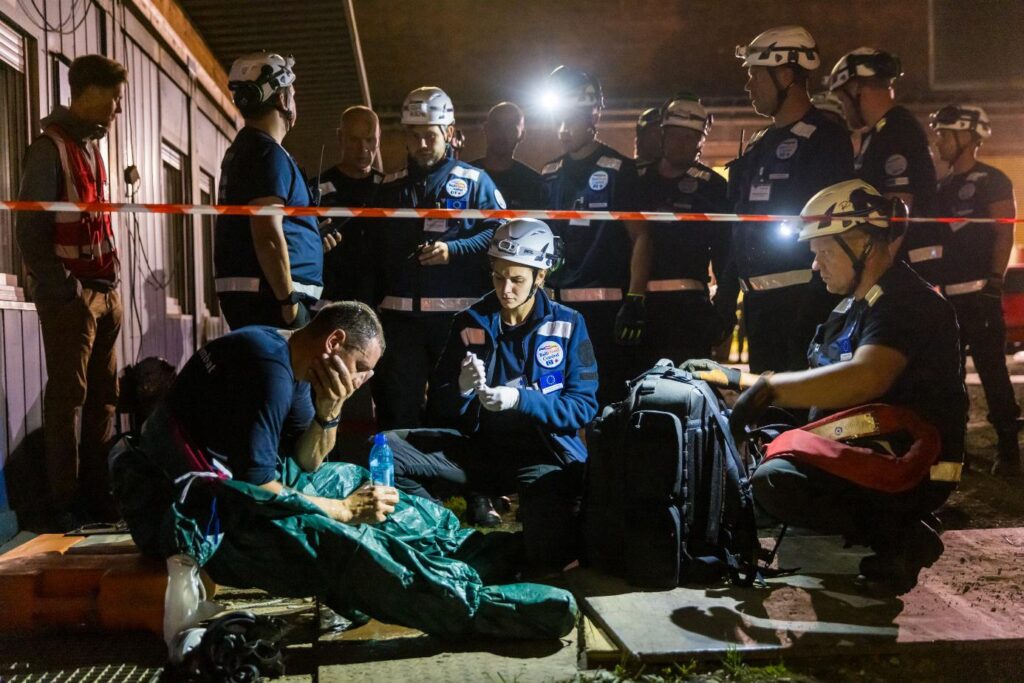
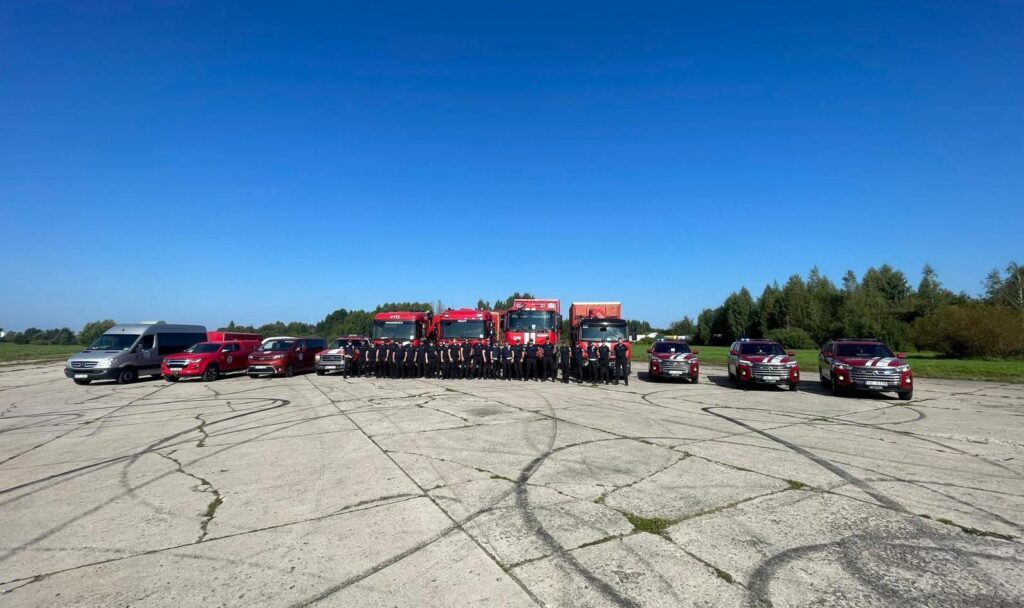
BFC is a perfect example of balanced teamwork. The team roster is 75 highly trained members in total. Each country provides at least 25 pumping experts and in addition logistics officers. The team is led by module management members (5 from each country) who are experienced and have been trained by UCPM. This training ensures that every leader knows exactly how to manage a mission according to international standards. Whether they are working in the Baltics or abroad, they follow the same professional rules and command structures. So the maximum number of personnel deploying to the mission is up to 25 members.
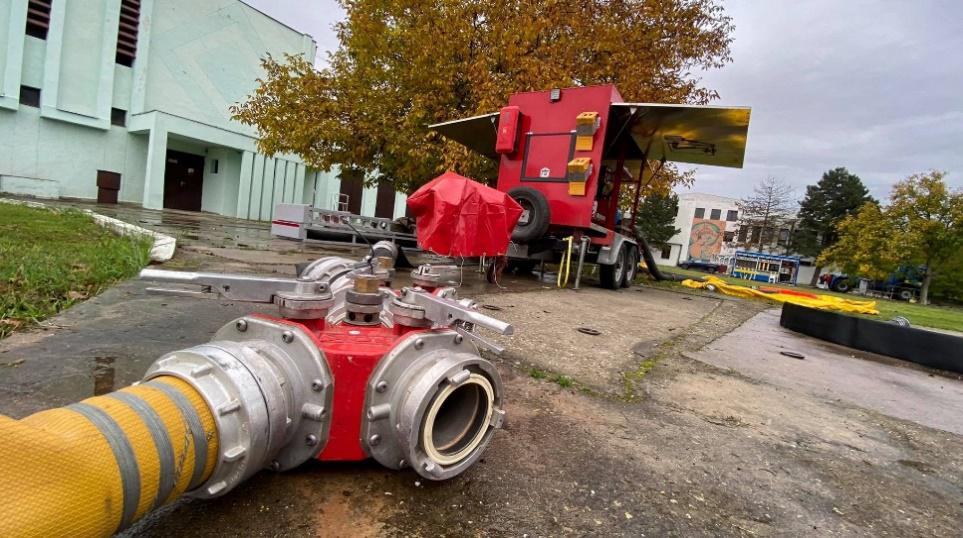
One of the most important parts of our format is the rotating chairmanship. For example, Estonia is leading the team in 2026, followed by Lithuania in 2027, and Latvia in 2028. Also the rotation of management roles (Team Leader, Deputy, and Liaison Officer) will change according to chairman principal. This rotation ensures that cooperation stays fair and that the leadership experience is shared equally across the three rescue services.
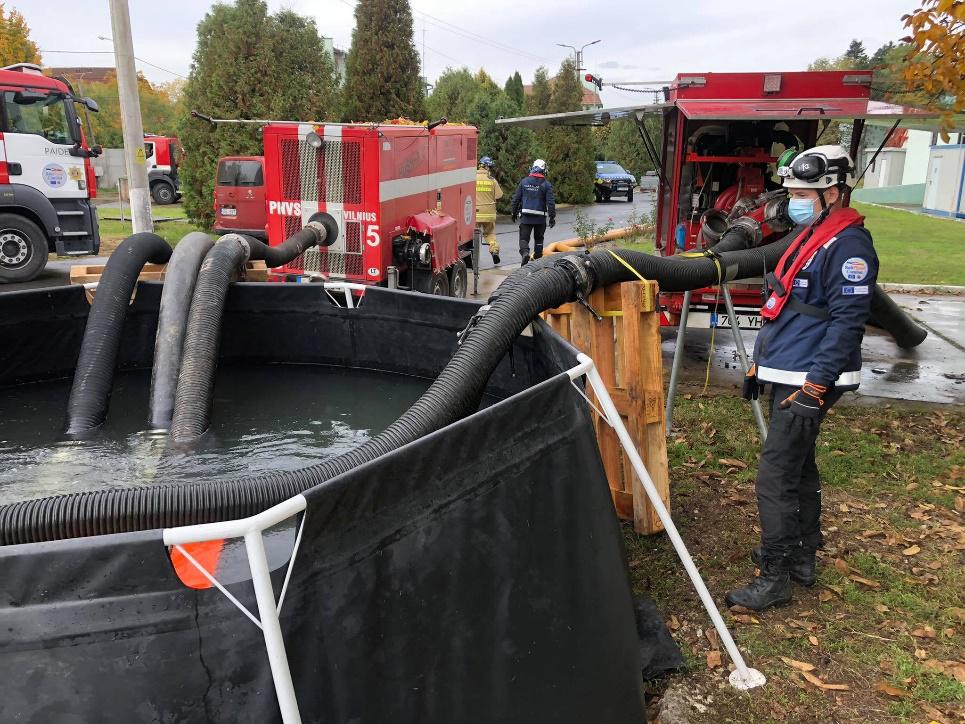
Capabilities
Baltfloodcombat is known as a High Capacity Pumping (HCP) module. Our job is to move massive amounts of water over long distances. Because the Baltic States are located quite far from central Europe, we are often far away from flash floods areas in Europe. This means we are usually not the first on the scene to rescue people from immediate danger. Instead, our specialty is the recovery phase. We arrive when the water has stopped rising but is stuck in low-lying city streets, industrial zones or countrysides. Our job is to pump that water away so that vital services can start working again and people can return to their normal lives.
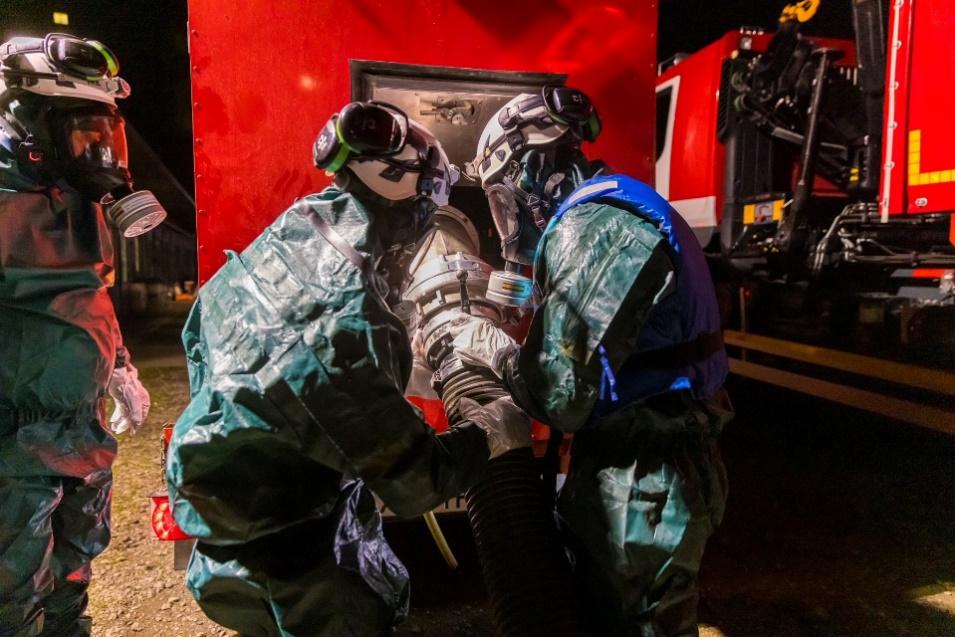
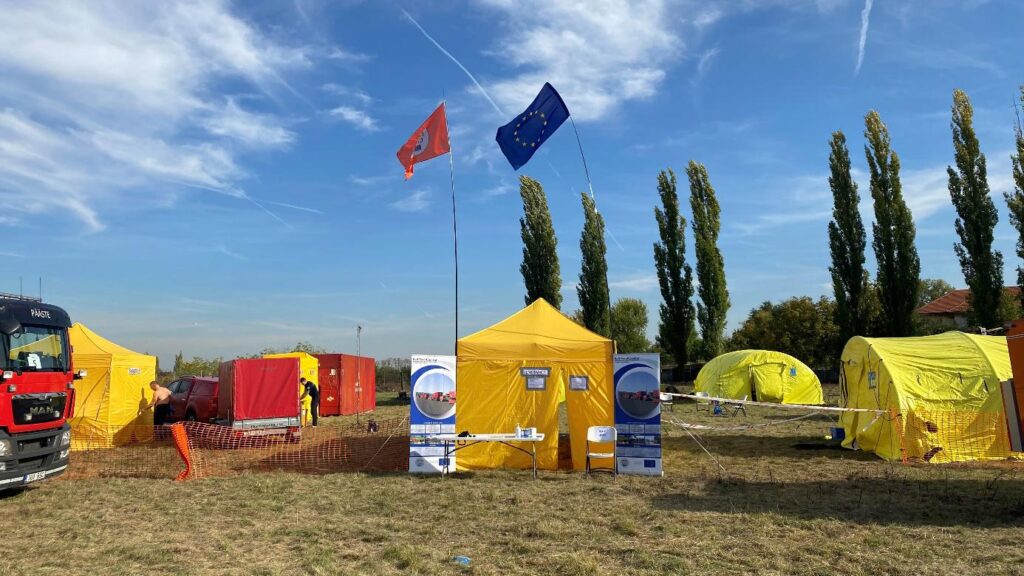
BFC is self-sufficient, we bring our own base-camp, including tents, food, water and communication systems. Self-sufficiency is essential because when a flood happens, local electricity and water systems often fail. There for we can start working from the moment we arrive without burdening a host nation that is already in crisis.
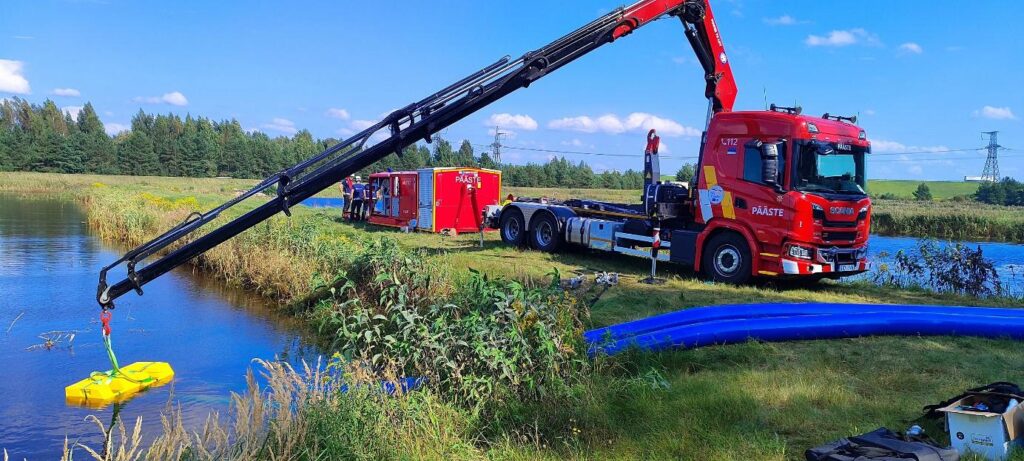
Technical overview
Our equipment is designed to work in the water, mud and difficult conditions that floods leave behind. There are HydroSub 150 paired with an HFS FloodModule and two Godwin CD160 pumps, which are flexible and can handle long-distance pumping tasks.
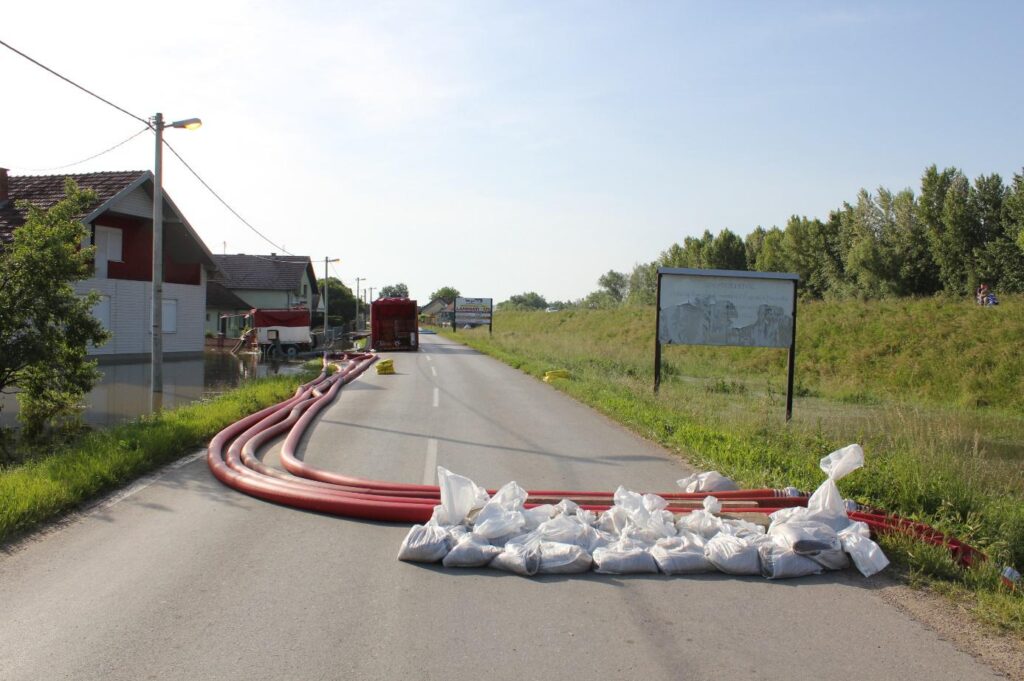
To move the water to a safe place, the team carries 3,000 meters of 150 mm hoses and an additional 70 meters of 300 mm hoses for drainage. Moving heavy machinery is a big task, so we have at least three 6×4 trucks equipped with heavy cranes to lift equipment. Once we are on-site, the team uses two 6×6 UTVs and one 4×4 ATV, to navigate the mud and debris that floods leave behind. We have also an assessment drone to scout the area from the air.
Lessons from project FORMATEX: Facing Hazmat Risks
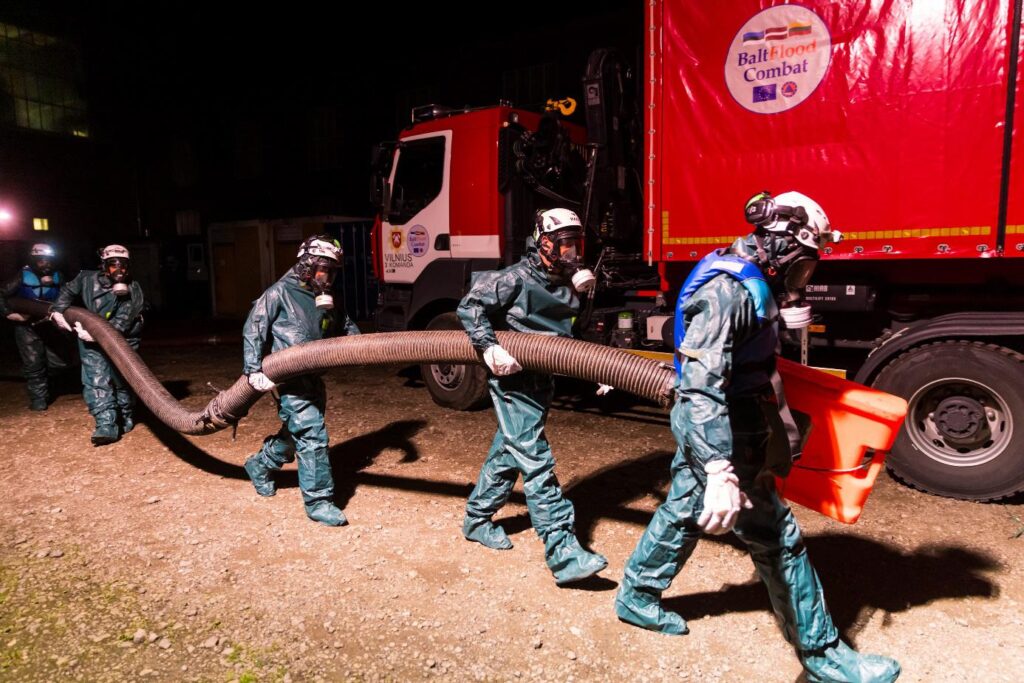
An important development was participation in Project FORMATEX. This project focused on major industrial accidents and learned the BFC team how to deal with Hazmat (Hazardous Materials) during a flood. We learned that floodwater in an industrial areas is often contaminated with toxic chemicals, which requires a much more careful approach than standard pumping. One of the most important lessons from FORMATEX was learning when and how to use personal protective equipment (PPE). Pumping polluted water requires extra attention and the project taught us to operate in dangerous zones, learning to identify chemical smells, spills, or strangely coloured water before setting up equipment. Most importantly, BFC learned how to cooperate with CBRN (Chemical, Biological, Radiological, and Nuclear) teams.
Looking to the future: Project CROSSFLOOD
This project takes our training even further by focusing on the “hidden” dangers of floods, specifically CBRN risks and unexploded ordnance risks. Floods can wash away soil and move old ground and bombs or mines left over from past wars. In the CROSSFLOOD exercises, the team is learning to assess to spot suspicious objects and coordinate EOD experts to ensure that operations are handled safely without stopping the mission. The team has experience from Bosnia and Herzegovina floods mission in 2014 where the risks where noticed and followed.
Conclusion
BFC is a story of three neighbors working as one. By combining our resources, Estonia, Latvia, and Lithuania have created a uniqe rescue team. Through missions in Poland, Moldova, and Bosnia and Herzegovina, and through projects like FORMATEX and CROSSFLOOD, we have learned that modern floods require more than just pumps—they require specialized knowledge of chemicals and explosives. BFC is now more prepared to respond to the complex disasters of the future, keeping our people and our environment safe.